







WHO IS THE VISIONARY AND INFLUENTIAL CHEF ANDONI LUIS ADURIZ OF MUGARITZ?
MEET THE CHEF WHO CREATES GASTRONOMY BY APPLYING NEUROSCIENCE PHILOSOPHY AND ART
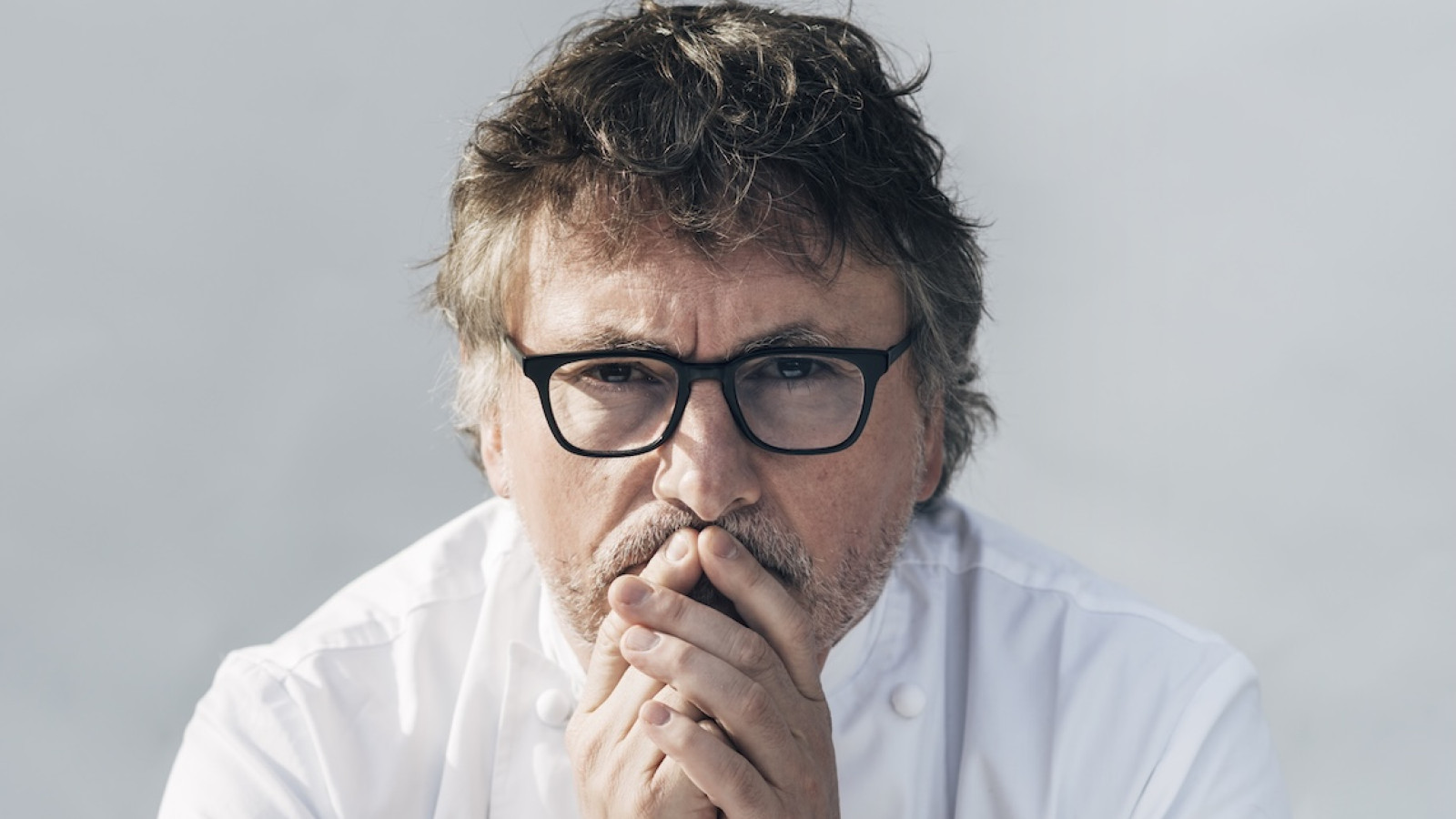
Andoni Luis Aduriz, awarded 2 Michelin stars and whose restaurant has been among the world's 10 best for 14 consecutive years, is one of the most influential and pioneering chefs in modern global gastronomy. As the founder and head of the iconic Mugaritz restaurant in the Basque Country, he has transcended traditional cooking, transforming food into a deeply philosophical and emotional experience. Aduriz orchestrates a dialogue between science, art, and culture. He is a true visionary who invites his guests to question their certainties and discover new ways of perceiving taste.
His collaboration with Cooking Workshop Pro marked a unique experience for the participants, as he taught an exclusive Masterclass in Thessaloniki titled "The Creative Ecosystem of Mugaritz". In the exclusive interview he granted to FineBeing, he shared thoughts on the art of gastronomy, his philosophy, and how he experiences the transmission of his knowledge. Let's get to know him better.
What is the story of Andoni Luis Aduriz?
The story of Andoni Luis Aduriz does not begin with a child prodigy who always knew he would become a chef. Born in 1971 in San Sebastian, the heart of Basque gastronomy, he is the son of a mechanic who tuned musical instruments and a mother who loved home cooking. It was his mother who enrolled him in the local hospitality school, hoping for a better future for him.

From a school failure to the pinnacle of global gastronomy
When he failed the entrance exams, his parents saw it as a tragedy. However, this change of course and his encounter with peers who had a genuine passion for gastronomy ignited a spark within him. There, he realized that cooking could be a complete means of expression.
Learning alongside culinary legends
His path led him to work alongside legends of the Nueva Cocina Vasca, such as Juan Mari Arzak and Pedro Subijana. But the life-changing encounter was with Ferran Adria at the legendary elBulli in 1993. There, he learned rigor, attention to detail, and absolute dedication.
Mugaritz
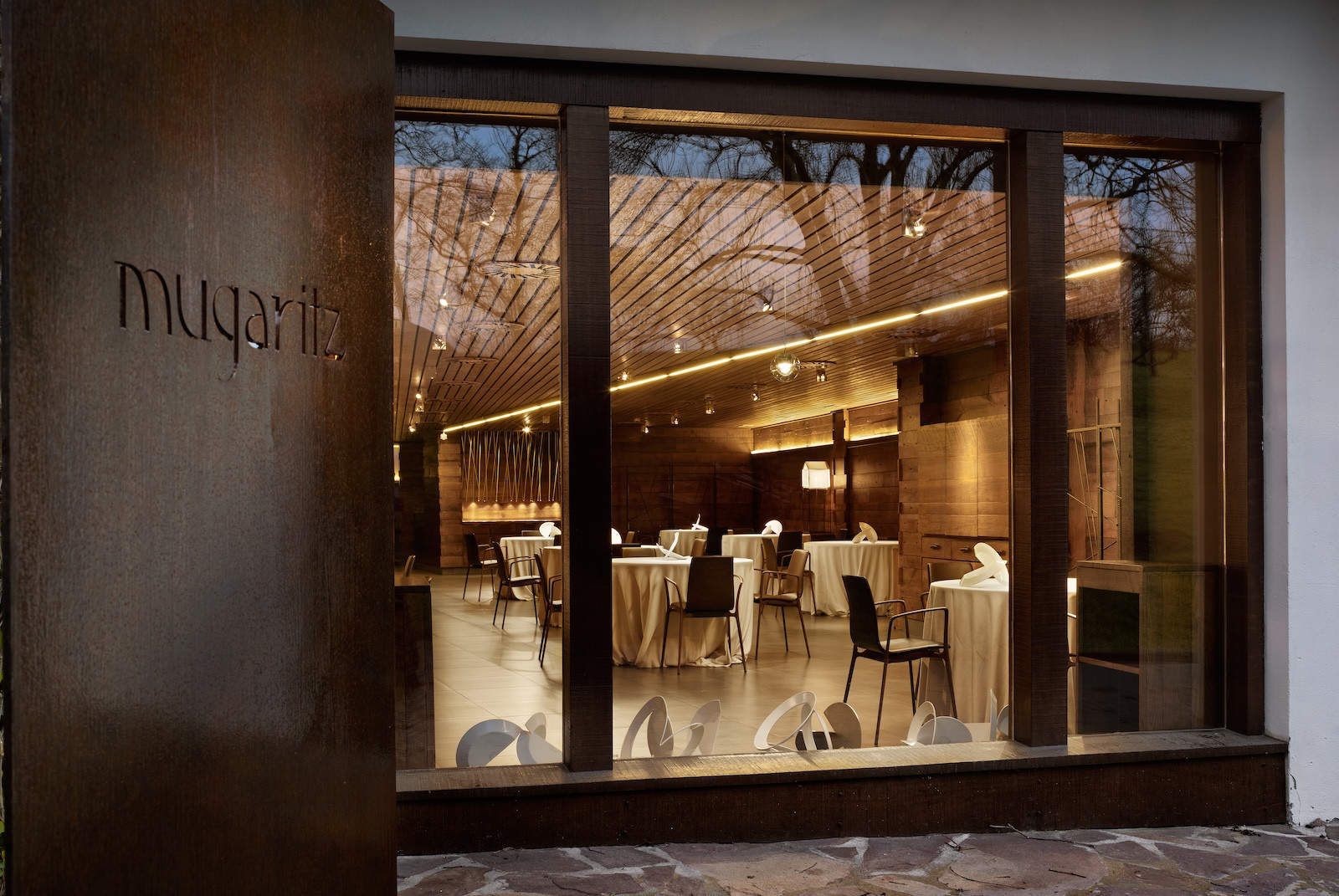
In 1998, he opened his own restaurant, Mugaritz, in an idyllic landscape surrounded by nature. The name comes from the border ("muga") and the oak tree ("haritza") that has stood there for two centuries.
So there, between the border and the oak tree, for twenty-eight years, gastronomy has been meeting neuroscience, philosophy, art, and design, and this collision of ideas is what redefines, dish by dish, what taste means and what experience means.
Despite difficulties, such as a devastating fire in 2010 that almost destroyed everything, Aduriz never compromised his vision.
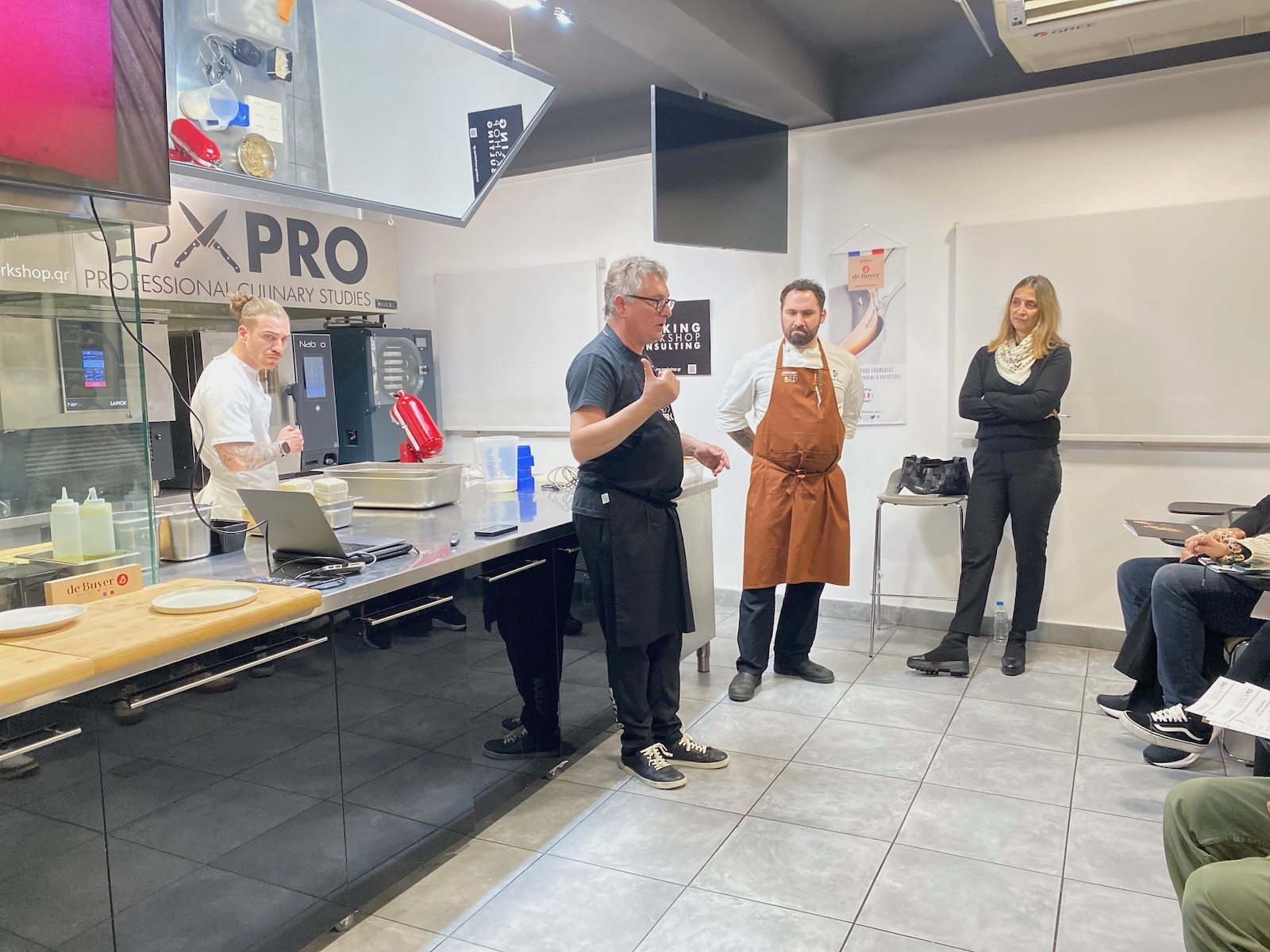
How did Aduriz explain the invisible structure behind Mugaritz?
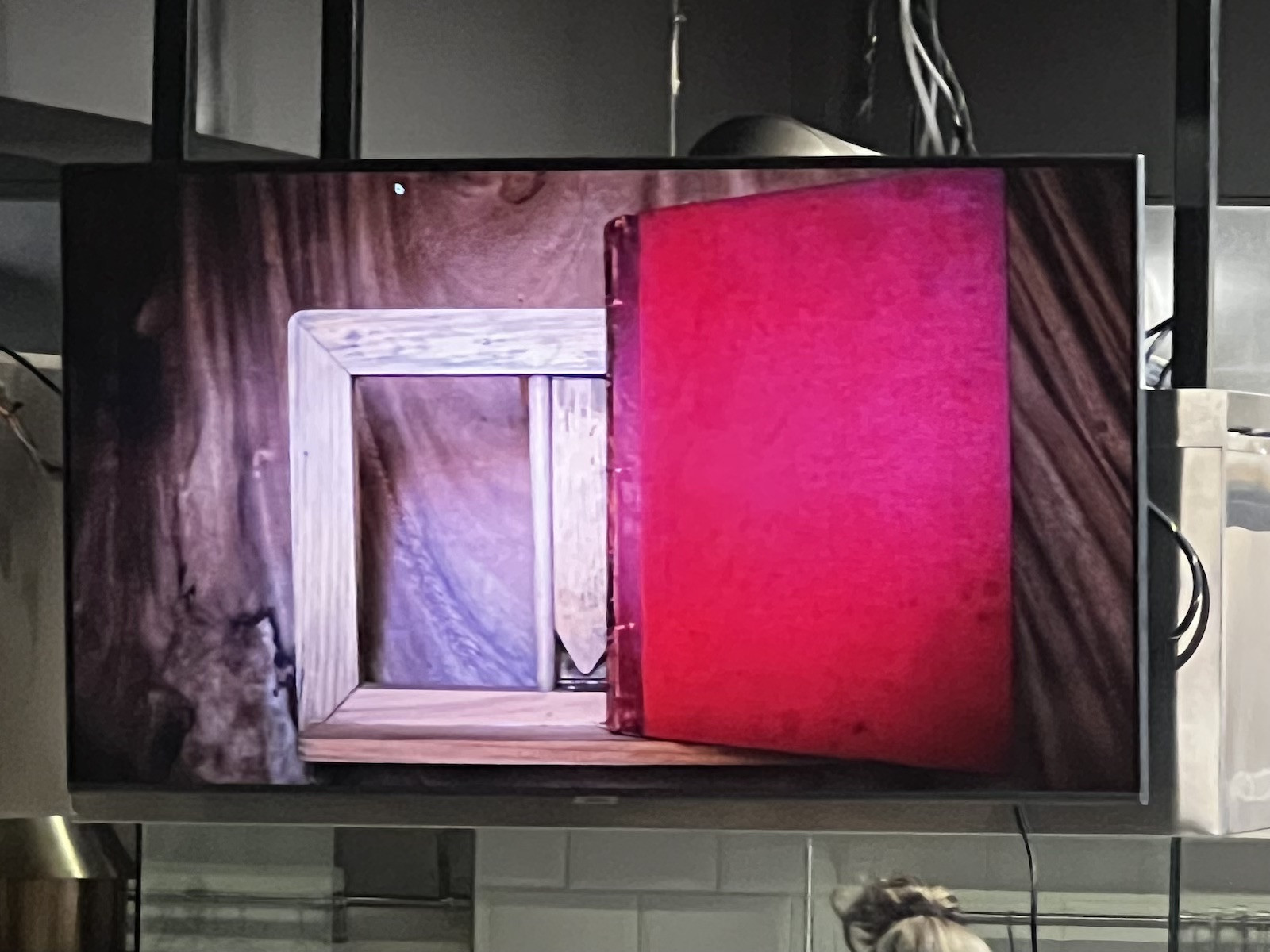
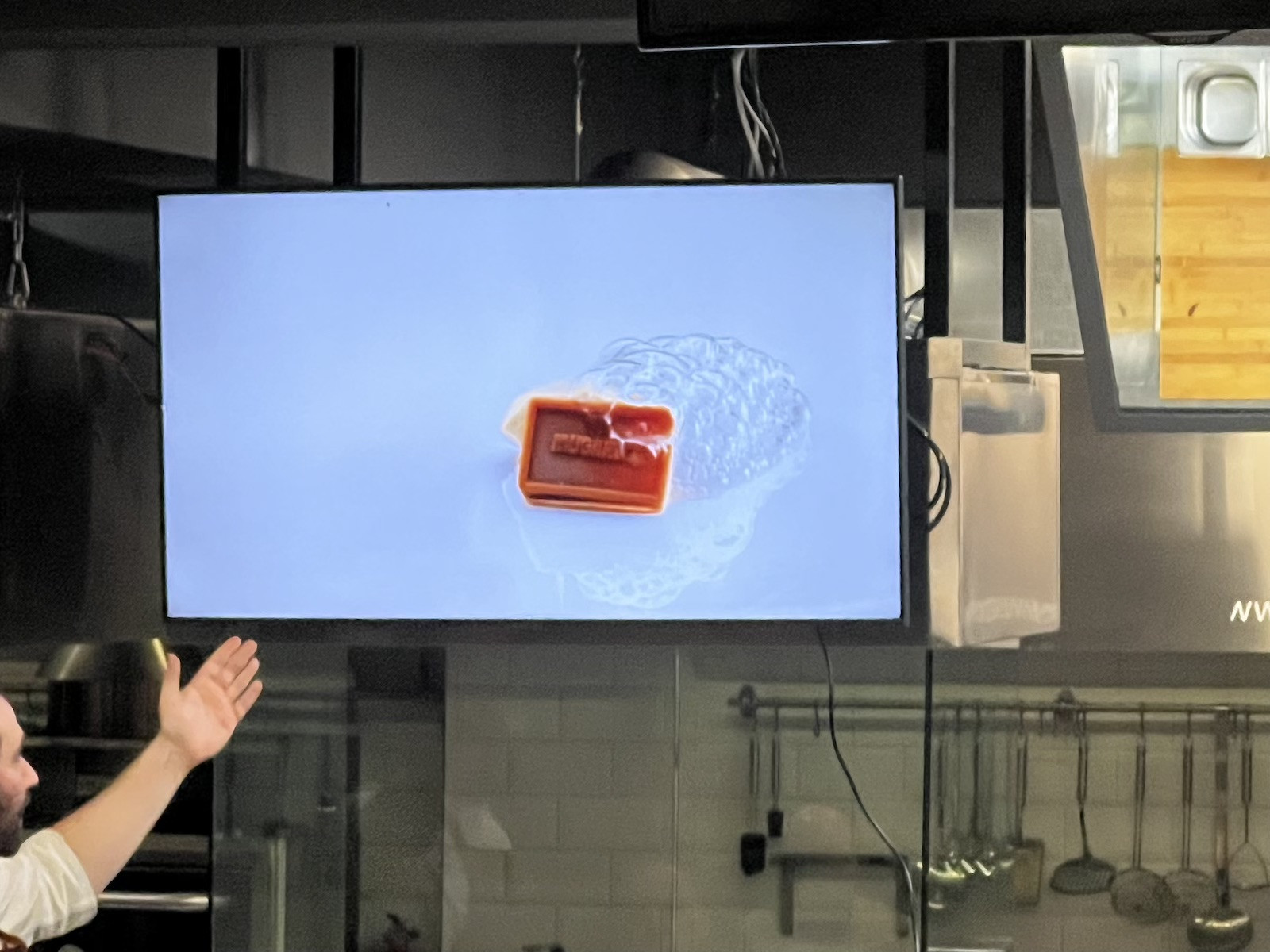
His presence in Thessaloniki for the Cooking Workshop PRO Masterclass was not a simple demonstration of techniques, but an introspection into how Mugaritz thinks. For Aduriz, transmitting knowledge is just as important as creating a dish. When we asked him what made the biggest impression on him from this experience and why such platforms are crucial for a chef, his answer illuminated the core of his philosophy.
"Cooking Workshop PRO gave me the opportunity to share something that is usually difficult to explain: the invisible structure behind what happens at Mugaritz," he explains to us. "When people see a dish, they often focus on the result, but behind it, there is a complex ecosystem of ideas, sciences, and conversations. What impressed me the most was the curiosity of the audience. Curiosity is the real engine of creativity. Such knowledge platforms are important because they create a space where gastronomy can be discussed not only as an art but also as a way of thought. At Mugaritz, we have always believed that creativity grows when it interacts with other sciences and other minds."
The future of culinary education
In an era where information is readily available, the education of young chefs cannot be limited to memorizing recipes. His interaction with the masterclass participants at Cooking Workshop PRO highlighted the need for a new learning model, a model that promotes critical thinking and creative systems. We asked him how he sees the role of such culinary schools in shaping the future of culinary education.
"Culinary education has traditionally focused on repetition and technique, which are essential foundations," Aduriz observes. "But the world we live in today demands something more: critical thinking, interpretation, and the ability to connect ideas from very different fields. Platforms like Cooking Workshop PRO contribute to a new learning model because they break the boundaries of the traditional classroom. They allow chefs to share processes, doubts, and failures, not just recipes. In a creative project like Mugaritz, knowledge often comes from collaborating with scientists, artists, philosophers, or sociologists. These interactions broaden the understanding of food and open new creative paths."
"The goal should not be to produce cooks who simply execute techniques, but professionals who can question reality and imagine new possibilities."
How did Aduriz teach us his "Creative Ecosystem"?
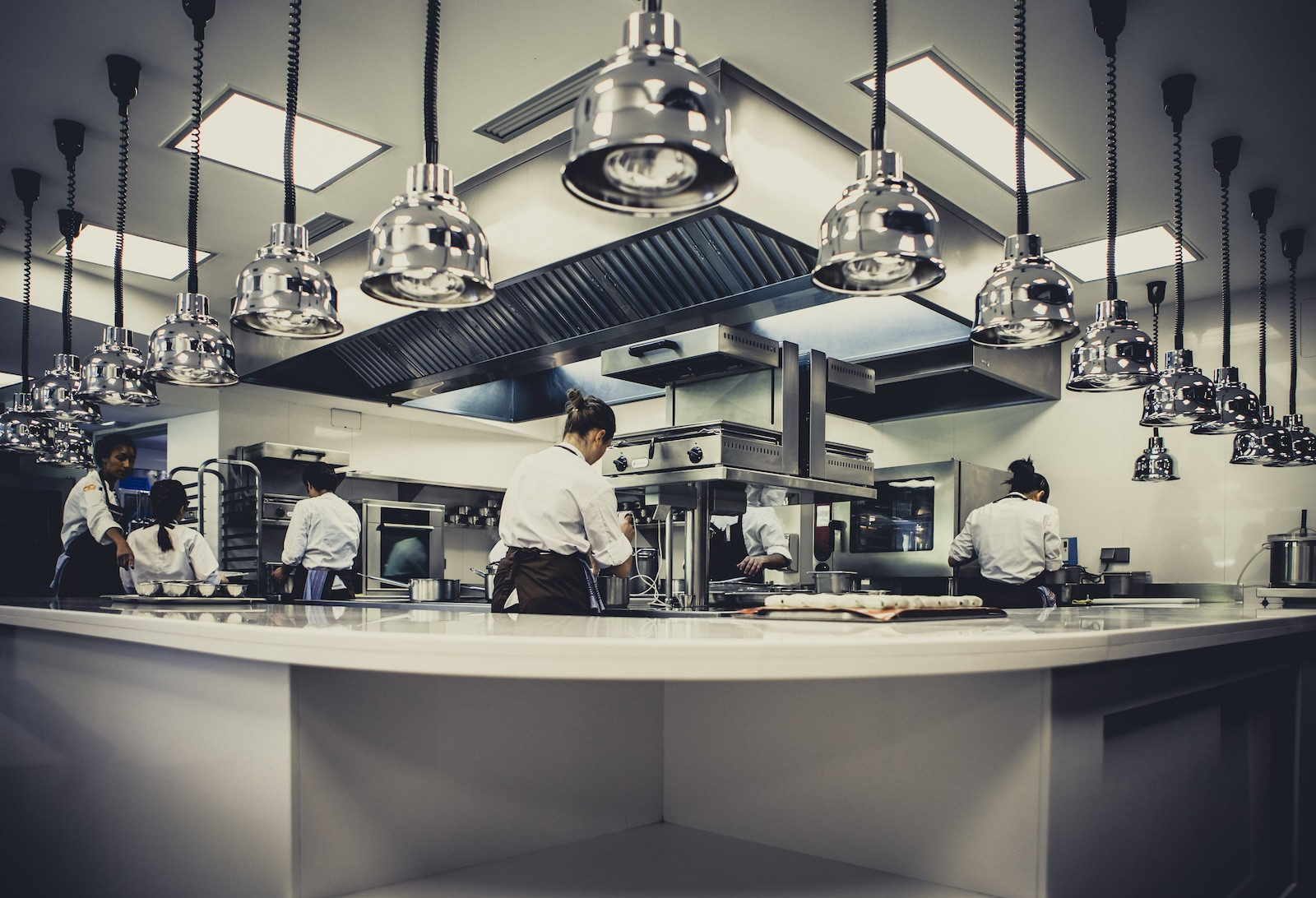
Mugaritz is not an ordinary restaurant, but a living, creative ecosystem. But how do you transfer this complexity outside the walls of your kitchen? How do you make such an abstract concept understandable to an audience thirsty for knowledge? Aduriz's approach is disarmingly simple and at the same time profound.
"When we describe Mugaritz as a creative ecosystem, we mean that it is much more than a restaurant," he emphasizes. "It is a place where ideas circulate among chefs, scientists, artists, and many other collaborators. This network of relationships generates questions, and these questions eventually become dishes. When I teach outside the restaurant, I try to translate this ecosystem into a simple message: creativity is not a moment of inspiration but a framework you build. If you create the right environment, an environment where curiosity, collaboration, and critical thinking are encouraged, ideas will flourish naturally. Creativity is not a talent reserved for a few. It is a habit, a way of looking at the world."
The creative filter and discipline
Creativity needs boundaries so it does not turn into chaos. Every year, the Mugaritz team develops over a hundred ideas, but only a small fraction makes it to the final menu. What determines whether an idea will survive? And how can professionals develop a stricter and smarter creative filter?
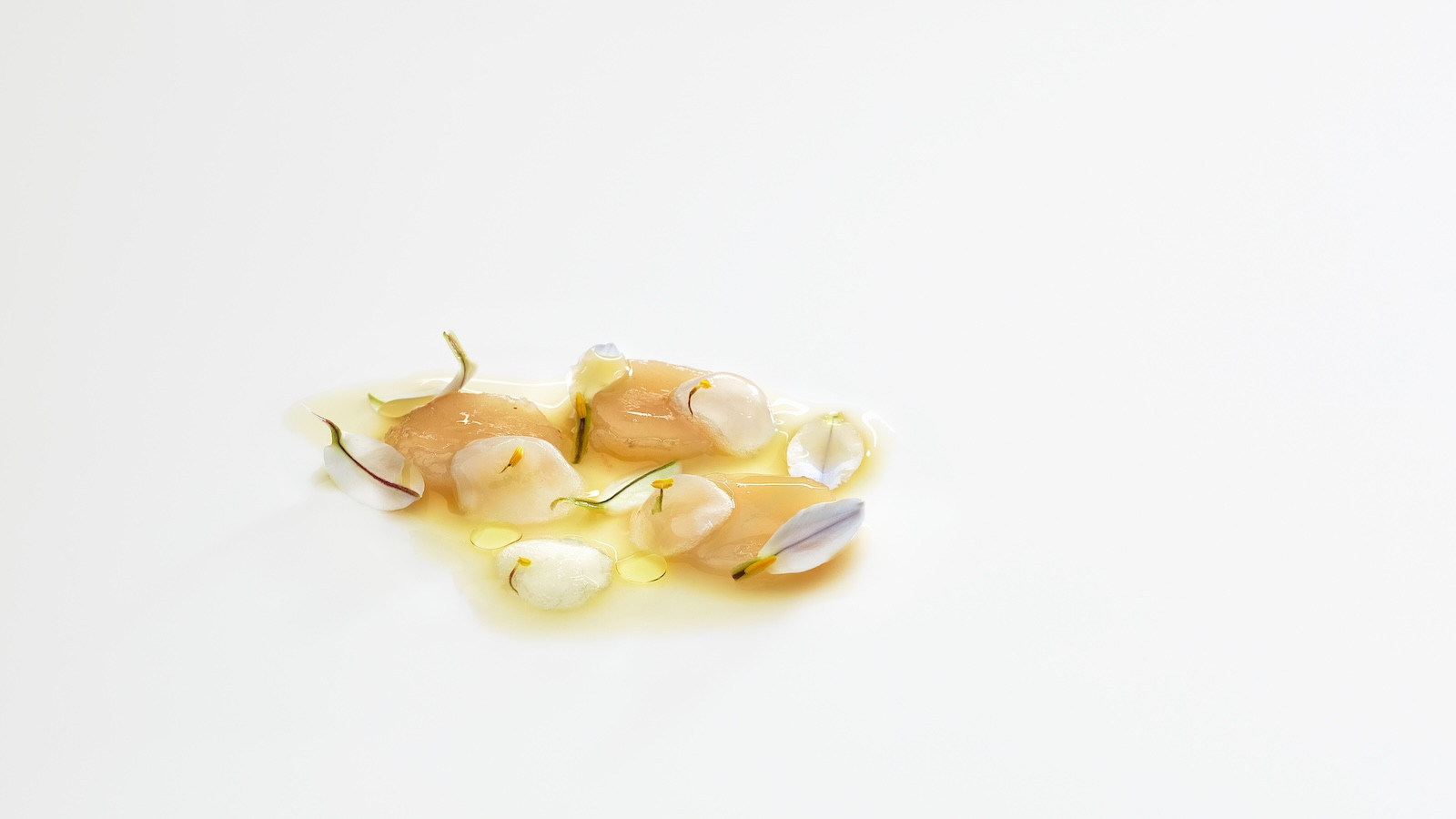
"At Mugaritz, we might create more than a hundred ideas every year, but only a few become part of the menu," he reveals to us. "This process is necessary because creativity without criteria quickly becomes chaos. An idea survives when it resonates with our identity and when it opens a meaningful question. Sometimes a dish is technically perfect but intellectually empty. In these cases, it disappears.

Our goal is not to show off technique, but to create gastronomy that invites people to think. To develop a stricter creative filter, professionals must learn to distance themselves from their own ideas. Time, dialogue with others, and the ability to question your own enthusiasm are essential tools. Creativity requires not only imagination but also discipline and patience."
Editor's Note: This consistency in detail is not rhetorical. In a 2012 interview, Aduriz revealed that the development of a single dish at Mugaritz had required 12,000 hours of work! And of course, that dish might not have even made it to the final selection...
What happens when Gastronomy meets interdisciplinary thinking?
For the chef, cooking does not end on the plate but extends to the way we perceive the world. We asked him why it is so essential for modern cooks to cultivate their intellectual curiosity beyond cooking itself.
"Cooking is connected to many dimensions of human life: culture, biology, memory, psychology, and emotion," he explains passionately. "If chefs limit themselves to culinary techniques, they are exploring only a very small part of what gastronomy can be."
"At Mugaritz, we collaborate with neuroscientists, technologists, and researchers because they help us understand questions, such as how perception works, or how memory affects taste."
He continues and tells us that "interdisciplinary thinking is important because creativity often emerges at the intersection of different fields. When gastronomy meets science, art, or philosophy, new languages appear."
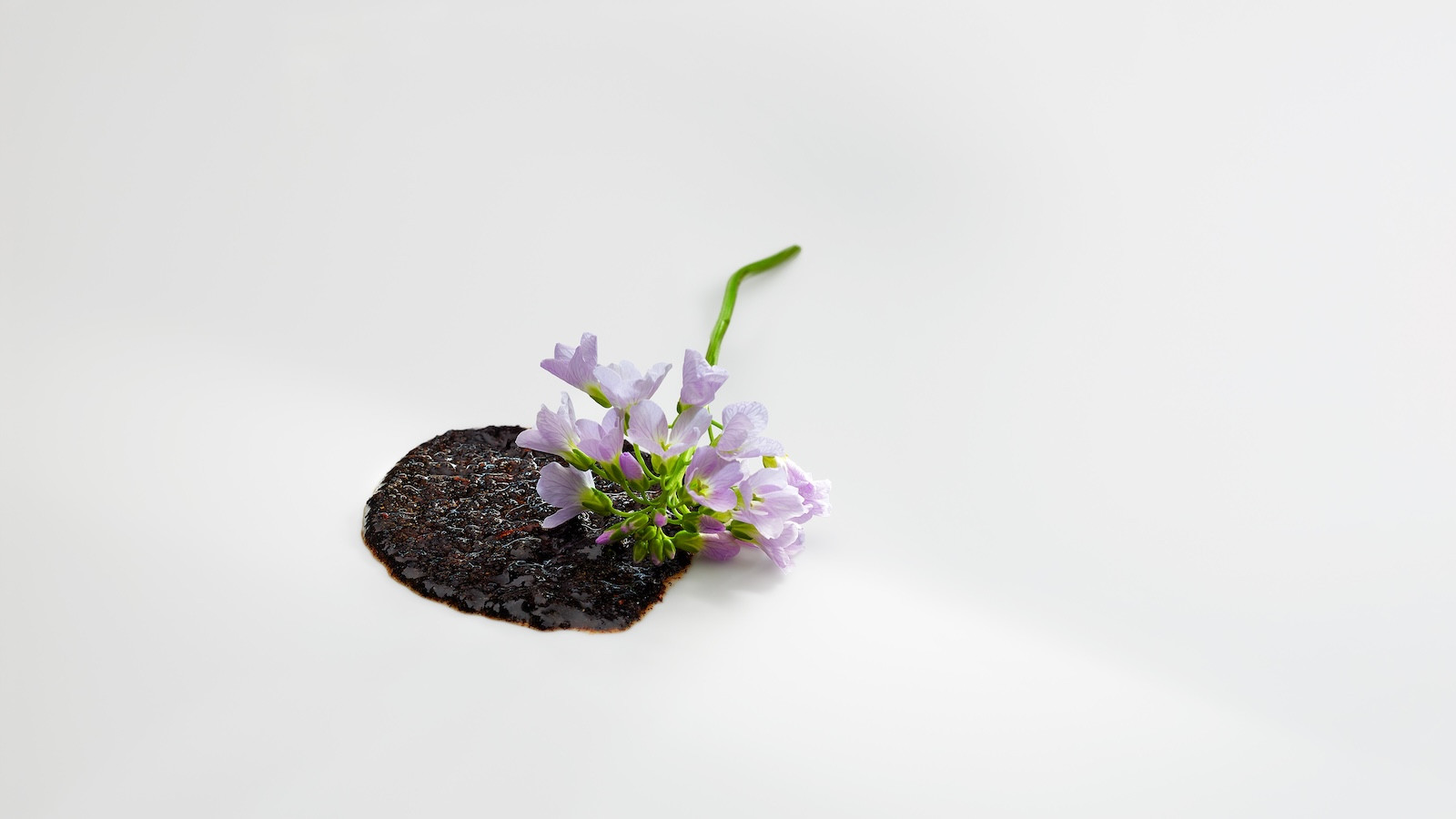
What would happen to Mugaritz if one day the awards and stars disappeared?
In a world where success is often measured by stars and rankings, Mugaritz remains steadily at the top. But what would happen if all this disappeared? If one day there were no rankings, no Michelin stars, no lists, would Mugaritz change? Or has it already transcended this ecosystem of validation?
"Awards and rankings are important because they give visibility to a project, and for that we are always grateful. But they cannot define the essence of what we do," he answers honestly. "Mugaritz has always been a project driven by questions and not by validation. Recognition can open doors and give you the confidence to continue exploring new paths, but the real challenge is to remain true to your own curiosity. If one day there were no lists, stars, or rankings, our work would continue in the same direction. The real motivation is the search itself, the desire to understand food, creativity, and the human experience a little better."
What does Andoni Luis Aduriz suggest to Gastronomy professionals?
As our conversation came to an end, we asked him to condense his Masterclass experience into one thought. If the professionals who attended left carrying one transformative idea, something that would affect their work for a long time, what would he hope that to be?
"If I could leave the audience with one idea, it would be this: learn to feel comfortable with uncertainty," he says, smiling. "In creative work, certainty can be limiting. Doubt, on the other hand, is fertile. It forces you to ask questions, to explore, and to question what you think you already know. I often say that I am a man with many questions, and every time I look for answers, I encounter even more questions. This is the path that keeps creativity alive."
"If you who attended this Masterclass left with the courage to question your own certainties and cultivate curiosity beyond the kitchen, then the experience was worth it."
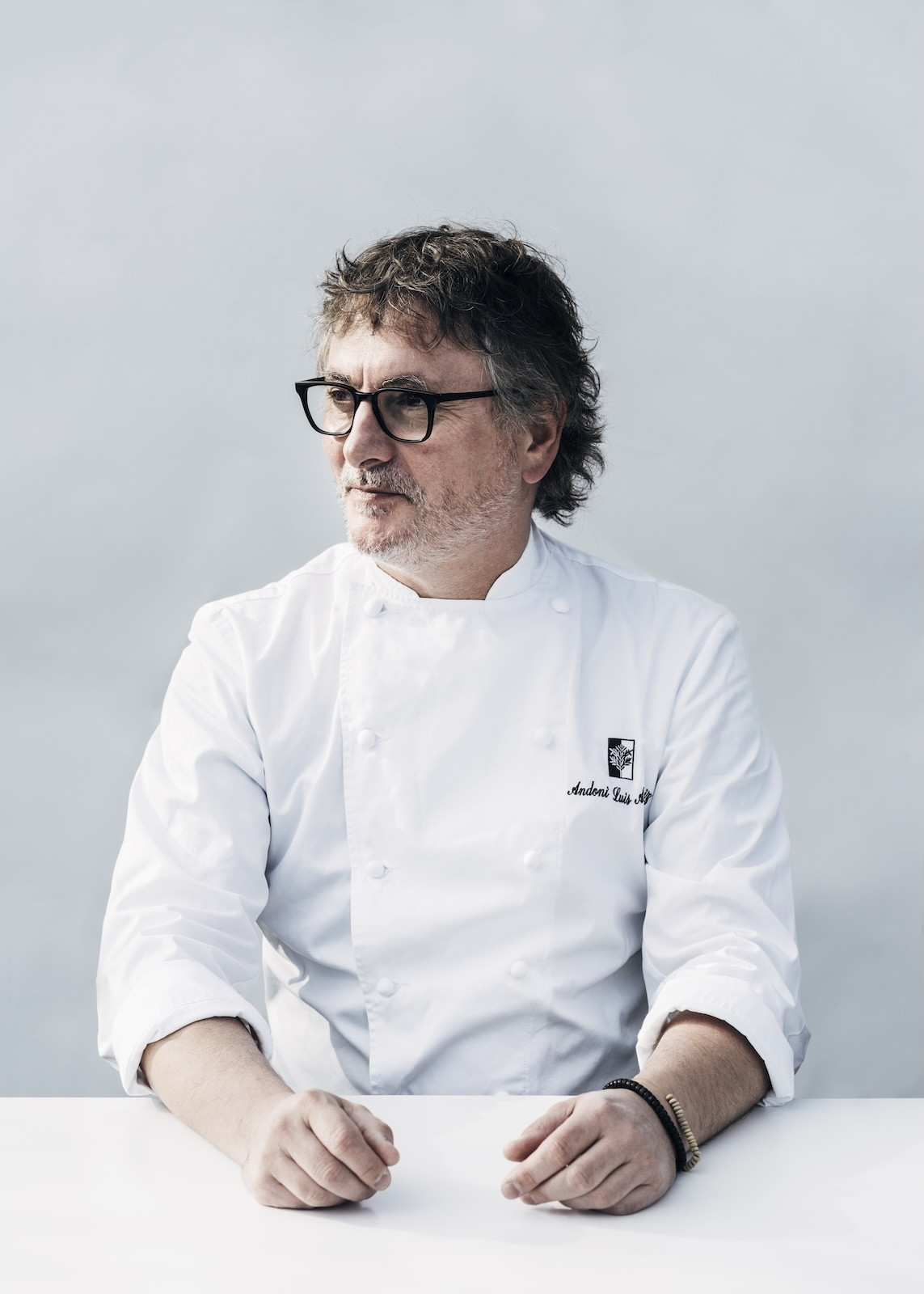
P.S. If you think you now know everything about Andoni Luis Aduriz, think again. Beyond the kitchen, he is the author of more than a dozen books, many in collaboration with scientists and philosophers, and since 2013, he has been writing weekly for El Pais Semanal. He has taught at Harvard, MIT, and the Basque Culinary Center, while his resume of distinctions includes, among others, the National Gastronomy Prize of Spain, the Chef's Choice Award from S. Pellegrino, the Eckart Witzigmann Award, and the Best Chef Science Award. In 2024, he was named "Man of the Year in Gastronomy" by Esquire, and in 2025, he was honored with the Diamond Award for Excellence by the Spanish Luxury Association. And if that is not enough, Japan has officially appointed him Goodwill Ambassador of Japanese Cuisine. A chef who, apparently, never stops.

KEEP READING
-
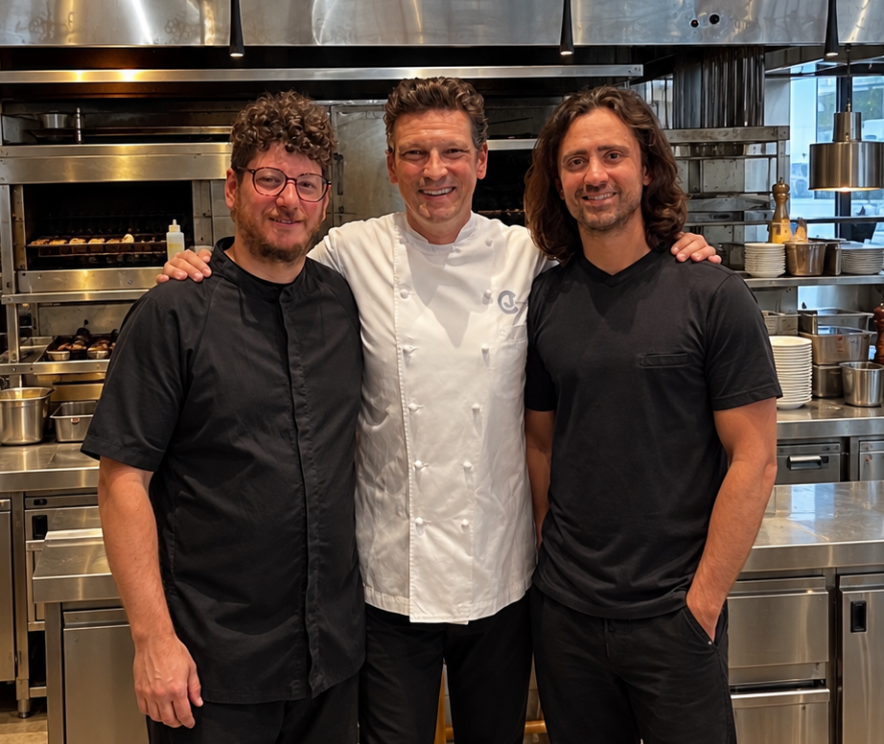
WHAT WILL CHEF CHRISTIAN JÜRGENS AND CHEF PAVLOS KYRIAKIS COOK OVER AT MAESTRANZA
As soon as we stepped into Maestranza, the wood had just begun to burn. Its scent took us back to the village, to the days when our ...
16 Σεπτεμβρίου -
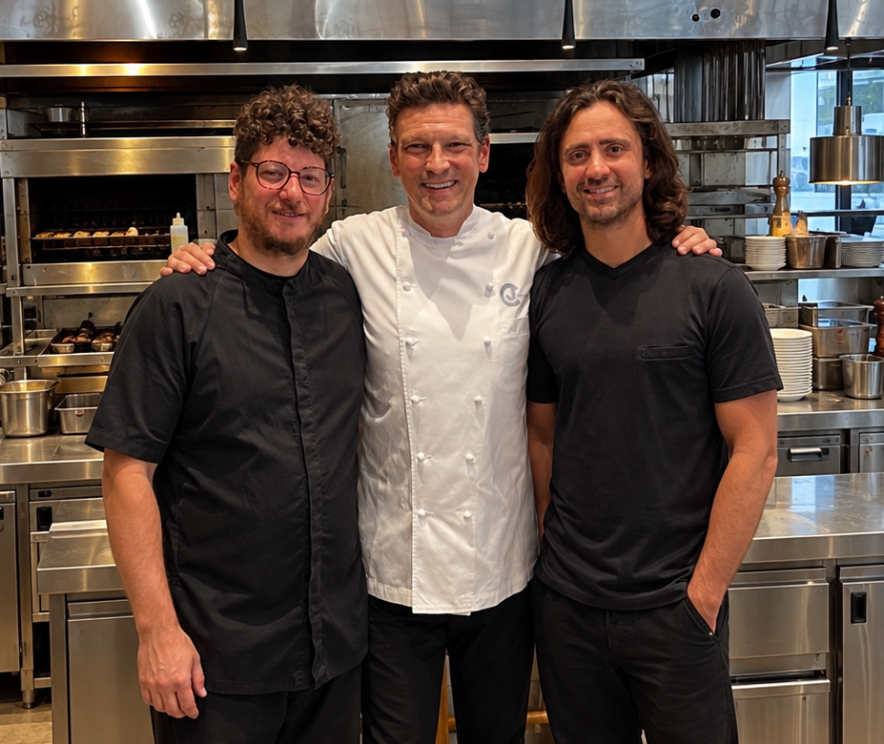
ΤΙ ΘΑ ΜΑΓΕΙΡΕΨΟΥΝ ΣΤΗ ΦΩΤΙΑ ΤΟΥ MAESTRANZA Ο 3-MICHELIN STAR GUEST CHEF CHRISTIAN JÜRGENS ΚΑΙ Ο 1-MICHELIN STAR ΠΑΥΛΟΣ ΚΥΡΙΑΚΗΣ
Μόλις μπήκαμε στο Maestranza, τα ξύλα είχαν αρχίσει να καίγονται. Η μυρωδιά τους μας γύρισε στο χωριό, τότε που το φαγητό της γιαγιάς άρχιζε...
16 Σεπτεμβρίου -
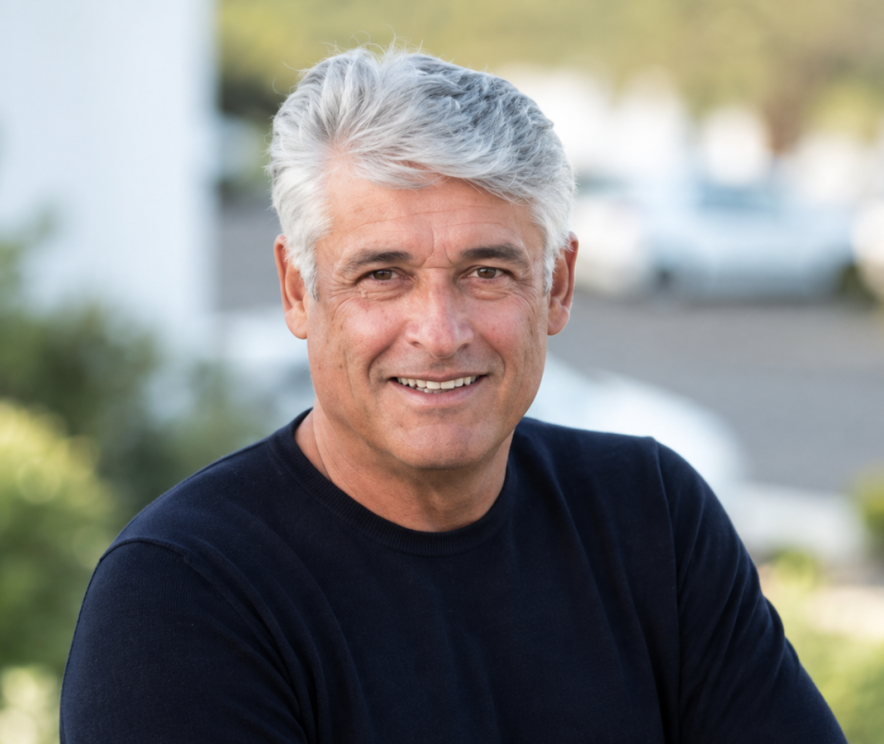
Ο ΑΝΔΡΕΑΣ ΦΙΟΡΕΝΤΙΝΟΣ ΑΠΑΝΤΑ ΓΙΑ ΤΟ ΠΟΤΕ ΑΝΑΚΟΙΝΩΝΟΝΤΑΙ ΟΙ ΔΙΑΚΡΙΣΕΙΣ ΤΟΥ MICHELIN GUIDE
Αν ζεις από κοντά την εστίαση της Θεσσαλονίκης, γνωρίζεις πόσο συχνά επιστρέφει η ίδια συζήτηση. Η πόλη έχει μαγειρική ταυτότητα, chefs με ...
13 Σεπτεμβρίου
 VIEW MORE